 Save to Pinterest
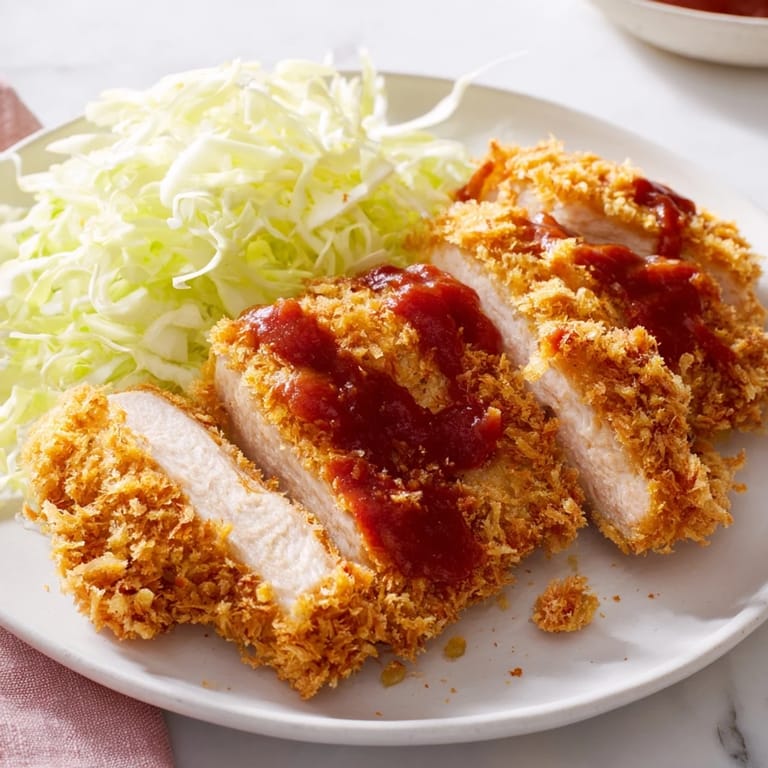
 Last Tuesday, my apartment smelled like frying oil and happiness. I had gotten home late and decided chicken katsu was the only thing that could fix the kind of day that needed serious crunch. The sizzling sound as those panko-crusted cutlets hit the oil was therapeutic. My roommate poked her head in, eyes wide, asking if we were having a restaurant dinner. Nope, just Tuesday night comfort food.
I first attempted this after falling in love with chicken katsu at a tiny Japanese restaurant in college. The chef there showed me how the panko should look almost snowy when properly applied. For months, my cutlets came out either soggy or burnt, until I learned the secret of letting the breaded chicken rest before frying. Now my friends request this for dinner parties, and I happily oblige because its actually straightforward once you know the tricks.
Ingredients
- 4 boneless skinless chicken breasts: Pounding them to even thickness ensures uniform cooking and prevents dry edges
- Salt and black pepper: Simple seasoning that lets the crispy coating shine
- 1/2 cup all-purpose flour: Creates the first layer that helps the egg adhere
- 2 large eggs mixed with 1 tablespoon water: The water thins the eggs slightly for better coverage
- 1 1/2 cups panko breadcrumbs: These Japanese breadcrumbs create that signature airy crunch regular crumbs cannot achieve
- 1 cup vegetable oil: You need enough for shallow frying so the cutlets sizzle properly
- Ketchup Worcestershire sauce soy sauce mirin Dijon mustard and sugar: Combine these for a sweet tangy sauce that balances the rich chicken perfectly
Tired of Takeout? 🥡
Get 10 meals you can make faster than delivery arrives. Seriously.
One email. No spam. Unsubscribe anytime.
Instructions
- Pound the chicken evenly:
- Place each breast between plastic wrap and use a meat mallet or heavy pan to pound to 1/2 inch thickness. Season both sides generously with salt and pepper.
- Set up your breading station:
- Arrange three shallow dishes with flour whisked eggs with water and panko breadcrumbs in that order. Keep one hand dry for flour and one hand wet for egg to avoid messy fingers.
- Coat each cutlet thoroughly:
- Dredge chicken in flour shaking off excess. Dip in egg mixture letting excess drip off then press firmly into panko to coat completely. Press gently to help the crumbs adhere.
- Heat the oil properly:
- Pour oil into a large skillet and heat over medium until shimmering. The oil should reach about 340°F. You can test it by dropping in a few crumbs they should sizzle immediately.
- Fry to golden perfection:
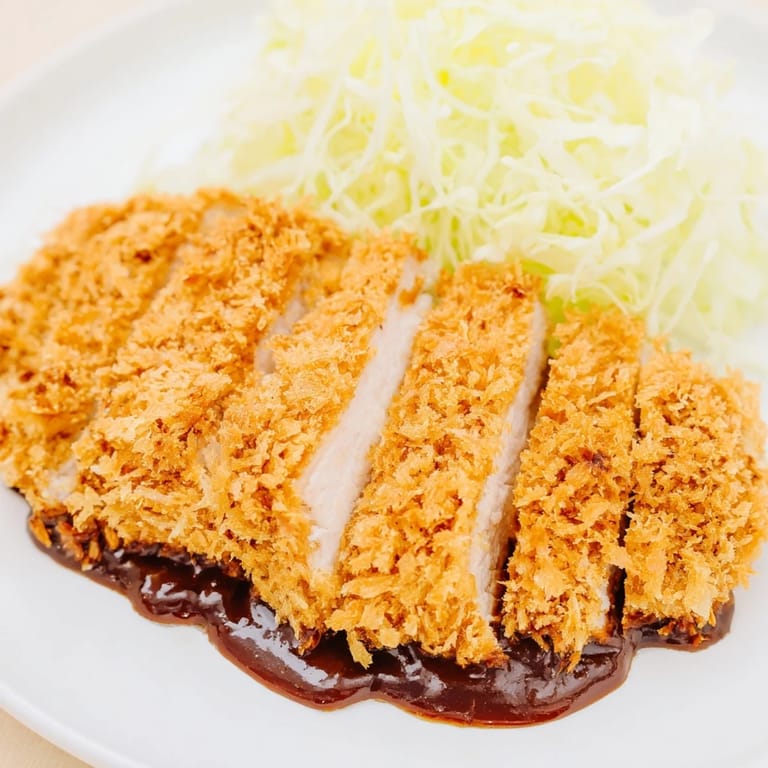
- Carefully place chicken in the hot oil. Fry for 3 to 4 minutes per side until deep golden brown and cooked through. Transfer to a wire rack to drain instead of paper towels which keeps them crispier.
- Whisk the sauce:
- Combine ketchup Worcestershire soy sauce mirin mustard and sugar in a small bowl. Whisk until completely smooth and the sugar has dissolved.
- Slice and serve:
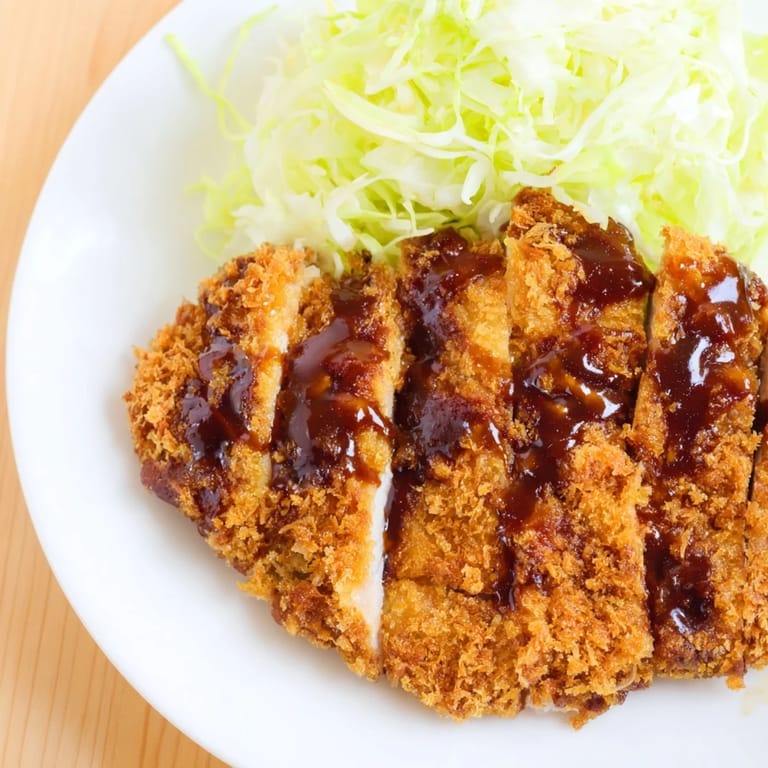
- Let the chicken rest for 2 minutes then slice into strips. Serve with the tonkatsu sauce drizzled over or on the side alongside shredded cabbage and steamed rice.
 Save to Pinterest
 This recipe became my go-to for bad days. My sister was going through a breakup and I showed up at her door with a container of fresh chicken katsu and that homemade sauce. She took one bite and said this was exactly what she needed. Now we make it together whenever life gets overwhelming and somehow everything feels manageable after a crispy cutlet dinner.
Making It Extra Crispy
The difference between good katsu and great katsu comes down to panko adherence. I learned to press the crumbs firmly onto the chicken almost like I am massaging them on. Double coating dipping again in egg and panko creates an even thicker crunch that restaurants use but honestly single coating is plenty satisfying for home cooking.
The Sauce Makes It Special
Homemade tonkatsu sauce is worlds better than store bought and takes literally two minutes. The ratio of ketchup to Worcestershire creates that perfect sweet tangy balance that cuts through the fried chicken richness. I keep a jar in my fridge because it is fantastic on burgers and fries too.
Perfect Sides To Complete The Meal
Shredded cabbage with a light vinaigrette is traditional because the cool crunch contrasts beautifully with the hot chicken. Steamed rice is non negotiable in my house because that sauce needs something to soak it all up. Some nights I do quick pickled cucumbers on the side for brightness.
- Make extra sauce because everyone wants more than they think they do
- Let the oil come back to temperature between batches for consistent results
- Slice the chicken against the grain for the most tender presentation
 Save to Pinterest
 I hope this recipe brings as much comfort to your kitchen as it has to mine over the years. Few things in life are as satisfying as that first crispy bite.
Recipe FAQs
- → What makes panko different from regular breadcrumbs?
Panko breadcrumbs are made from crustless white bread processed into large, airy flakes. This creates a lighter, crunchier coating that stays crisp longer than traditional breadcrumbs. The larger surface area also absorbs less oil during frying.
- → Can I bake chicken katsu instead of frying?
Yes, though the texture will differ. Spray breaded cutlets with oil and bake at 425°F (220°C) for 20-25 minutes, flipping halfway. The result will be crispy but less golden and slightly less crunchy than shallow-fried versions.
- → How do I prevent the breading from falling off?
Ensure each coating step is thorough—shake off excess flour, let egg drip slightly before panko, and press breadcrumbs firmly into the chicken. Letting breaded cutlets rest for 10 minutes before frying helps the coating adhere better.
- → What's the difference between katsu and tonkatsu?
Katsu refers to the breaded cutlet cooking style. Tonkatsu specifically means pork cutlet (ton = pork), while chicken katsu uses chicken. The tangy tonkatsu sauce pairs with both versions.
- → Can I freeze breaded chicken katsu?
Arrange breaded cutlets in a single layer on a baking sheet, freeze until solid, then transfer to freezer bags for up to 3 months. Fry from frozen, adding 2-3 minutes to cooking time per side.