 Save to Pinterest
 The first time I tasted this dish was in Istanbul, sitting in a friend's cramped kitchen while she casually threw together what she called 'the easiest comfort food when you're too tired to think.' I watched her stir that garlicky yogurt into hot pasta and thought it seemed too simple to be memorable, but one spoonful changed that. Now whenever I make it, I'm transported back to that moment—the steam rising from the bowl, her laughter, the way something so humble could taste so deeply satisfying.
I made this for my roommate during one of those nights when nothing felt quite right, and watching her face light up at the first bite reminded me why cooking for people matters. She asked for the recipe immediately, and I realized I'd never actually written it down—I'd just been recreating that Istanbul moment over and over in my own kitchen.
Ingredients
- Dried pasta (fusilli or penne): 400 g total; the curly shapes trap the yogurt sauce beautifully, but honestly any pasta you love works fine.
- Salt for pasta water: 1 tablespoon; this is where the pasta gets its flavor, so don't skip it.
- Full-fat Turkish or Greek yogurt: 400 g; the thickness matters here—thin, watery yogurt will slide off the pasta, so reach for the richest version you can find.
- Garlic: 2 cloves, finely minced; raw garlic stays sharp and bright, which is exactly what you want against the creamy yogurt.
- Salt: 1/2 teaspoon; added to the yogurt sauce to balance the tang.
- Unsalted butter: 60 g; use real butter here—it's the final star of the show.
- Olive oil: 1 tablespoon; this keeps the spiced butter from burning and adds its own gentle richness.
- Sweet paprika: 1 1/2 teaspoons; the paprika blooms in the warm butter and becomes almost sweet, which surprised me the first time.
- Aleppo pepper or red pepper flakes: 1/2 teaspoon; this brings a warm heat that doesn't overpower, just nudges you toward wanting another bite.
- Dried mint: 1/4 teaspoon optional; if you use it, the whole dish transforms into something more herbaceous and Mediterranean.
- Fresh dill or parsley: 2 tablespoons for garnish; the brightness cuts through the richness and makes it feel complete.
Tired of Takeout? 🥡
Get 10 meals you can make faster than delivery arrives. Seriously.
One email. No spam. Unsubscribe anytime.
Instructions
- Boil the pasta water and cook the pasta:
- Fill a large pot with water, add salt until it tastes like the sea, and bring it to a rolling boil. The moment steam rises, add your pasta and stir it immediately so nothing sticks. Cook until it's tender but still has a tiny bit of resistance when you bite it—that's al dente, and it matters because the pasta will soften a touch more when you toss it with the warm yogurt sauce. Reserve 2 tablespoons of the starchy cooking water before draining; this liquid gold helps loosen the yogurt if needed.
- Make the yogurt sauce smooth and creamy:
- In a bowl, whisk together the yogurt, minced garlic, and salt until everything is evenly combined. If your yogurt is thick and stubborn (which Turkish yogurt often is), add a tiny spoonful of that reserved pasta water and whisk again. You want it to pour smoothly but still coat a spoon—think heavy cream rather than thin milk.
- Create the spiced butter infusion:
- Melt the butter with olive oil in a small saucepan over medium heat, watching it carefully. Once it stops sizzling and the foam rises to the top, add the paprika, Aleppo pepper, and dried mint if you're using it. Let it bubble gently for about a minute until the spices bloom and the whole kitchen smells like warm earth and toasted warmth, then remove it from the heat immediately so the paprika doesn't scorch.
- Toss everything together:
- Transfer the hot drained pasta to a serving bowl or back into the pot, then pour that creamy yogurt sauce over it. Toss gently but thoroughly, making sure every strand gets coated. The warmth of the pasta will make the yogurt silky and coat everything evenly.
- Finish with the spiced butter and serve:
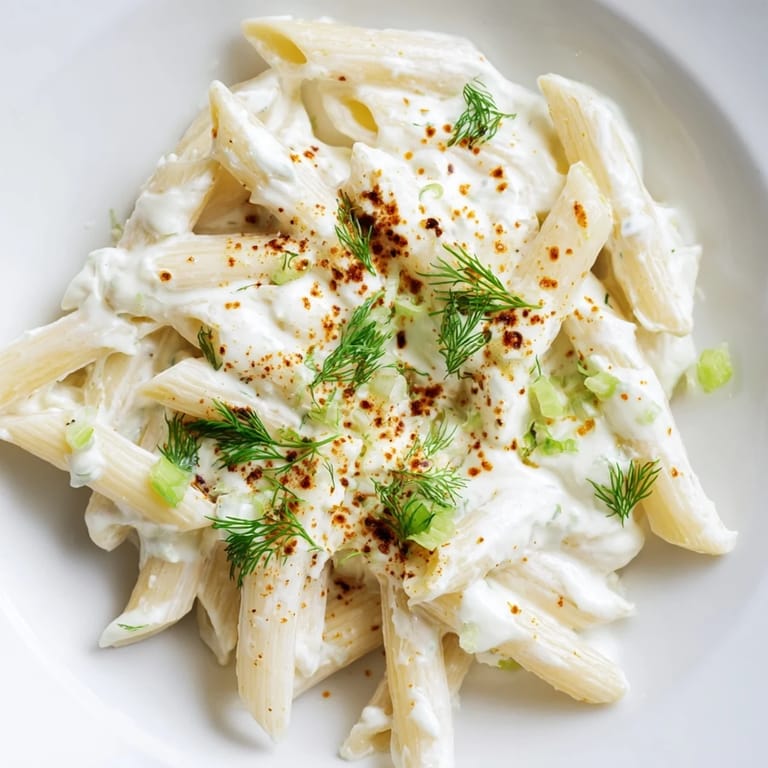
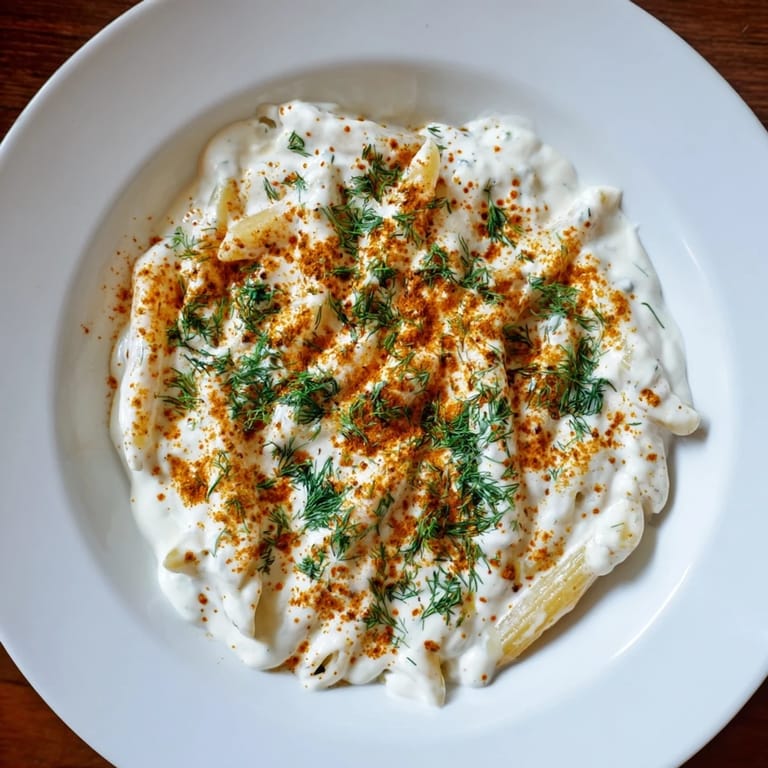
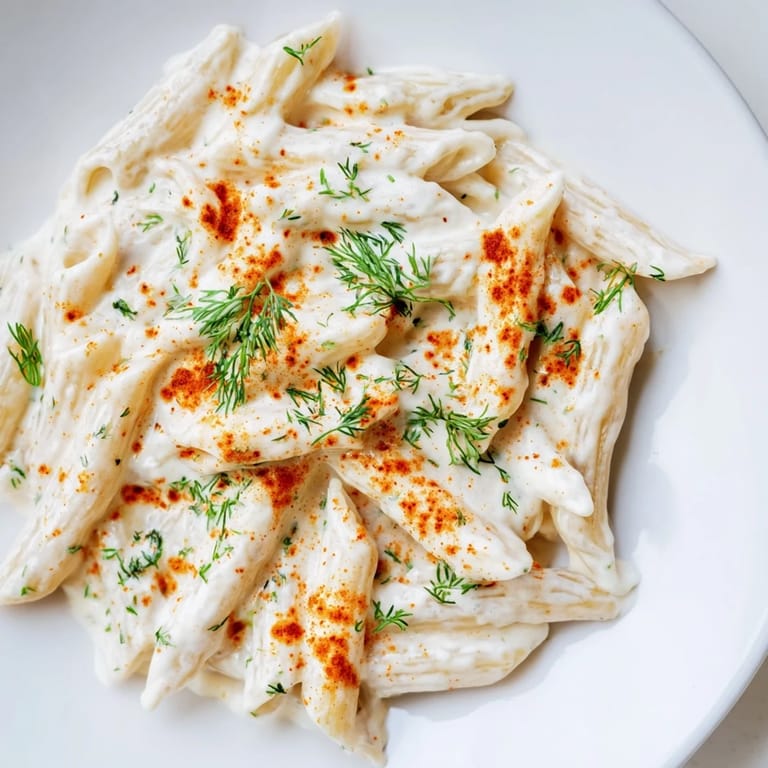
- Divide the dressed pasta among bowls and drizzle the warm spiced butter generously over each one—this is where the magic happens. Top with fresh dill or parsley if you have it, and bring everything to the table while it's still warm.
 Save to Pinterest
 There's a moment after the first bite where people go quiet, and you know they're figuring out how to make it again at home. That's when I realized this dish isn't just comfort food—it's a gateway to understanding how simple, quality ingredients can create something that tastes expensive and complex.
Why Turkish Yogurt Sauce Works
The genius of this dish lies in the yogurt sauce, which sounds contradictory at first—creamy yogurt on hot pasta should be a disaster, but it's exactly the opposite. Turkish yogurt is so rich and thick that it clings to the pasta rather than sliding off, and the gentle acidity of the yogurt plays beautifully against the warm, comforting starch. The raw garlic stays sharp and bright, preventing the whole thing from becoming heavy, and the reserved pasta water acts like a silken bridge between the two components.
The Spiced Butter's Subtle Power
When I first made this without the spiced butter, thinking I could save the butter and oil for another day, I understood immediately why my friend had emphasized it so much. The butter brings warmth and richness, yes, but those spices—especially the paprika—add a layer of complexity that makes you reach for another forkful before you've finished chewing. It's the difference between something that fills you up and something that you actually crave.
Building Your Own Version
Once you understand how this comes together, you can adapt it endlessly based on what's in your kitchen or what you're craving. Some nights I add a squeeze of fresh lemon juice to the yogurt for brightness, or a pinch of sumac if I want tanginess without acid. Other times I toast some pine nuts or add crispy fried shallots for texture, because sometimes pasta wants a little crunch to keep things interesting.
- Stir a handful of spinach or grated zucchini into the warm pasta for vegetables without changing the core flavor.
- Top with a fried egg for richness, or a handful of crumbled feta for additional tang and texture.
- Serve with crusty bread so you can soak up every last drop of that spiced butter and yogurt sauce.
 Save to Pinterest
 This dish has quietly become the meal I make when I want to feel grounded and remember why cooking matters. It asks for so little but gives back so much.
Recipe FAQs
- → What type of pasta works best?
Fusilli or penne pasta are preferred for their ability to hold the creamy yogurt sauce well.
- → How do I achieve a smooth yogurt sauce?
Whisk yogurt with minced garlic and salt, then thin with reserved pasta water to reach a creamy, smooth consistency.
- → Can I substitute Aleppo pepper?
Yes, mild chili flakes are a good alternative if Aleppo pepper is unavailable.
- → What is the role of the spiced butter?
The spiced butter, warmed with paprika, Aleppo pepper, and mint, adds a fragrant, savory finish enhancing the overall flavor.
- → Are there suggested garnishes?
Chopped fresh dill or parsley complement the dish, adding a refreshing herbal note.