 Save to Pinterest
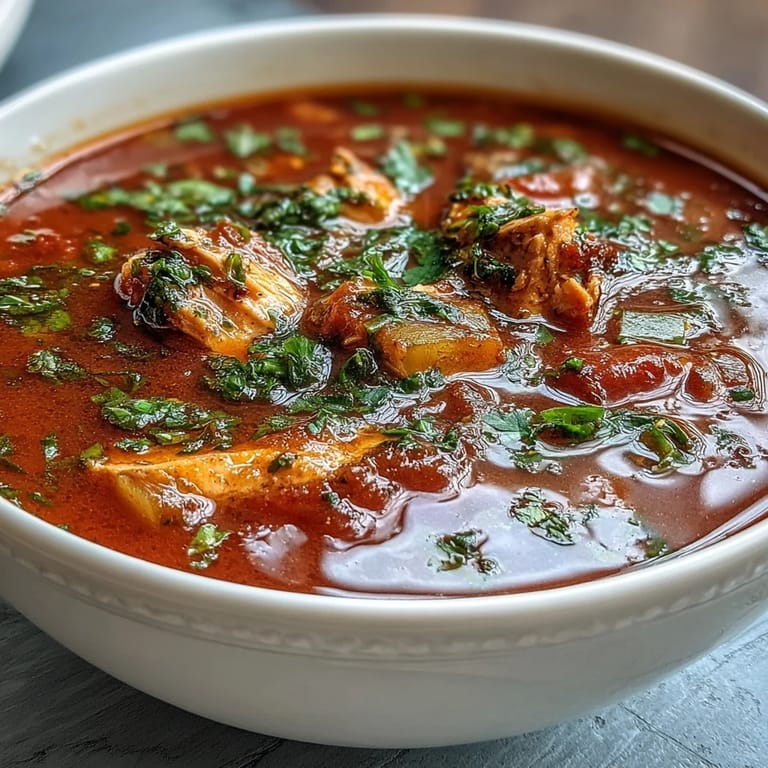
 There's something magical about opening a pantry and finding exactly what you need staring back at you—a tin of tuna, canned tomatoes, some vegetables getting their last day before the market trip. That afternoon, I threw together this soup almost by accident, and twenty-five minutes later, I had something that tasted like it had simmered for hours. My kitchen smelled like garlic and oregano, and suddenly a quick weeknight dinner felt intentional and alive.
I made this for my sister on a rainy Tuesday when she'd had a rough day, and watching her face light up at that first spoonful reminded me that the best meals aren't about complexity—they're about showing up. She asked for the recipe before she'd even finished her bowl, and now it's become her go-to when she needs comfort that doesn't require hours in the kitchen.
Ingredients
- Tuna in olive oil (1 can, 5 oz): Drain it well but save that oil for sautéing if you're being thrifty—it adds a subtle depth that matters more than you'd think.
- Onion, carrot, and celery (1 medium, 1 medium, 1 stalk): This holy trinity builds the foundation; don't rush dicing them, as uniform sizes mean everything cooks at the same pace.
- Garlic (2 cloves, minced): Mincing by hand gives you more control and fills your kitchen with that unmistakable aroma that signals something good is happening.
- Diced tomatoes (1 can, 14 oz): The acidity here is your backbone; taste your broth first so you know how much to adjust seasoning later.
- Vegetable broth (2 cups): This is the canvas—use good broth if you have it, as it carries the entire soup's character.
- Tomato paste (1 tbsp): A small amount concentrates the tomato flavor without overwhelming; stir it in early so it blooms into the oil.
- Oregano and basil (1 tsp each, dried): Dried herbs here are actually preferable because they distribute evenly; fresh ones get added at the end if you want brightness.
- Red pepper flakes (1/4 tsp, optional): This is your secret whisper—it doesn't make the soup spicy, just reminds your taste buds to pay attention.
- Olive oil (2 tbsp): Use something you'd actually eat with bread; cheap oil tastes like regret in a pot.
- Salt and black pepper (to taste): Season in layers, not all at once, so you avoid that flat, over-salted feeling.
Tired of Takeout? 🥡
Get 10 meals you can make faster than delivery arrives. Seriously.
One email. No spam. Unsubscribe anytime.
Instructions
- Get your mise en place ready:
- Chop your onion, carrot, and celery first, mince the garlic, and drain your tuna—this five minutes of prep means you're not scrambling while things cook.
- Warm the oil and soften the vegetables:
- Heat your olive oil over medium heat until it shimmers slightly, then add the onion, carrot, and celery together. You're not trying to brown them; you want them tender and translucent, which takes about five minutes and fills your kitchen with an aroma that makes waiting easier.
- Add the garlic:
- Once your vegetables are soft, add the minced garlic and stir constantly for exactly one minute—any longer and it starts to brown, which turns bitter.
- Wake up the tomato paste:
- Stir in the tomato paste and cook it for another minute, letting it deepen in color slightly and lose its raw taste.
- Build the broth:
- Pour in your diced tomatoes and vegetable broth, add the oregano, basil, and red pepper flakes if you're using them, and stir everything together until combined.
- Let it simmer gently:
- Bring the soup to a gentle boil, then lower the heat and let it simmer for eight to ten minutes until the vegetables are completely tender. This is when you taste it and decide if it needs anything.
- Fold in the tuna:
- Add your flaked tuna and let it warm through for two to three minutes—overcooking it turns it stringy and sad, so resist the urge to let it bubble away.
- Taste and adjust:
- Now comes the moment of truth: taste it and add salt and pepper until it tastes like exactly what you wanted.
- Serve and garnish:
- Ladle it into bowls, scatter fresh parsley or basil over the top if you have it, and serve alongside crusty bread for soaking up every last drop.
 Save to Pinterest
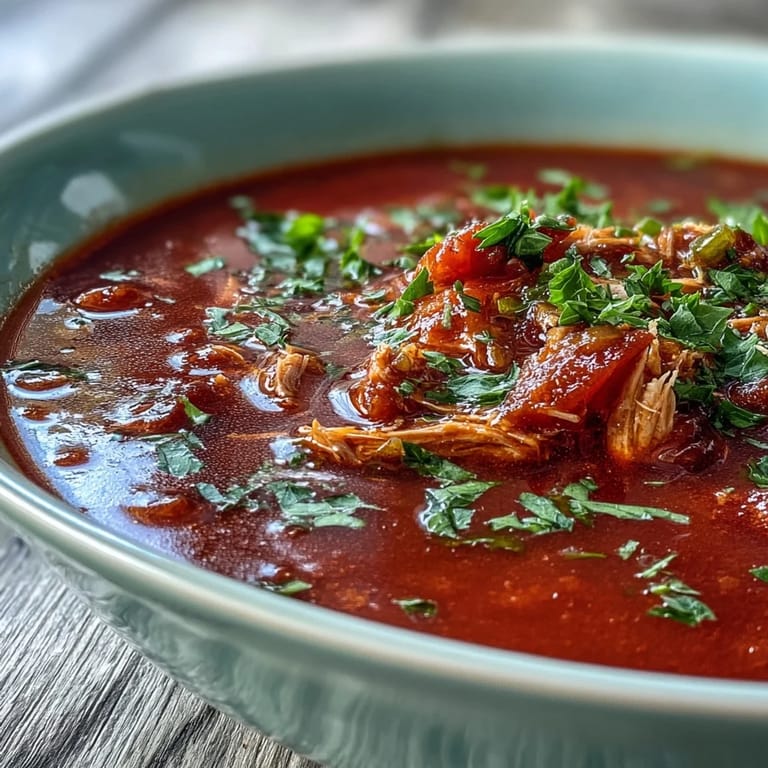
 There was a moment while eating this soup where I realized my friend had gone quiet, and I knew it wasn't sadness anymore—it was just contentment. That's when I understood this recipe's real magic: it doesn't demand fancy ingredients or hours of your attention, but it gives back comfort in every spoonful.
The Secret to Depth in a Quick Soup
Most people think quick soups have to taste quick, but the truth is simpler than that. By taking those early minutes to properly soften your vegetables and bloom your tomato paste into the oil, you're building flavor that accumulates. It's not about time; it's about intention. The garlic doesn't just flavor the oil—it perfumes it, which means every spoonful tastes intentional instead of rushed.
Why Tuna Works Here
Tuna in a soup might sound unexpected if you're used to thinking of it only as a sandwich filling, but it makes quiet sense once you taste it. The brine-tender flesh absorbs the tomato and herb flavors while adding a protein depth that makes the bowl feel complete without being heavy. Canned tuna is also one of the most honest pantry staples—it never pretends to be something it's not, which is exactly what this soup needs.
Customizing Without Losing the Spirit
This soup is honest enough to handle changes without losing its character. If you want something heartier, add small pasta shapes or white beans during the simmer—they'll soak up all that tomato broth and make the whole thing more substantial. For brightness, a squeeze of fresh lemon juice or a scatter of capers at the end wakes everything up, though some days you'll want the soup exactly as it is, warm and uncomplicated.
- Stir in a splash of lemon juice or a spoonful of capers if you want brightness that cuts through the richness.
- Small pasta, white beans, or diced potatoes all find a home here without changing what this soup is at its heart.
- Fresh herbs stirred in at the very end taste alive in a way dried herbs can't quite match.
 Save to Pinterest
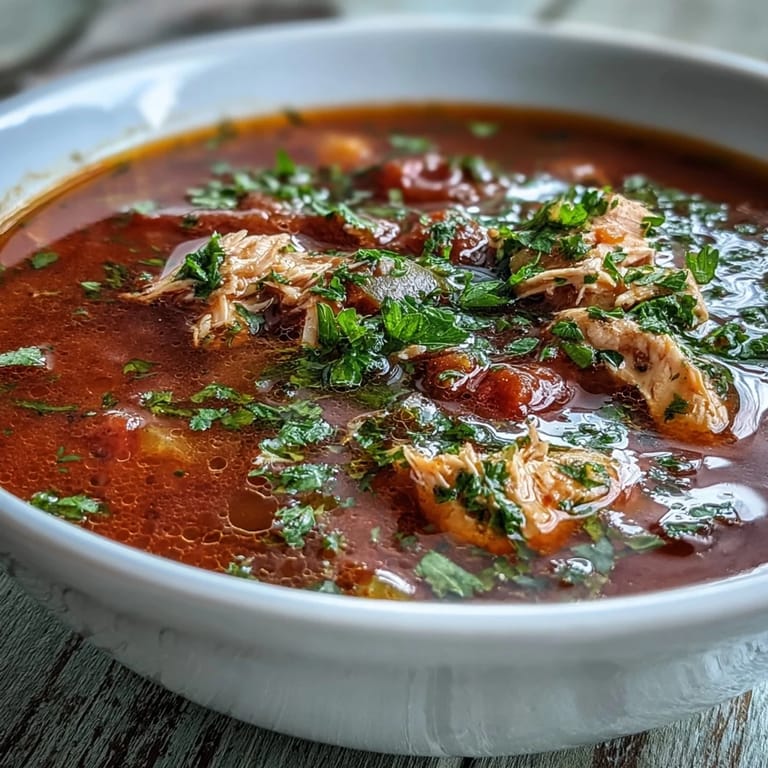
 This is the kind of soup that proves you don't need hours or fuss to make something that feels like care in a bowl. Make it once, and it becomes part of your quiet weeknight rotation, the meal you turn to when you want something that tastes good and asks nothing impossible of you.
Recipe FAQs
- → Can I use fresh tuna instead of canned?
Fresh tuna can be used, though it will change the character of the dish. Grill or sear fresh tuna separately and add it at the end to prevent overcooking. Canned tuna in olive oil provides the best texture and flavor integration for this soup.
- → How long will this soup keep in the refrigerator?
This soup stores well for 3-4 days in an airtight container in the refrigerator. The flavors often improve after resting overnight. Reheat gently over medium-low heat to prevent the tuna from becoming tough.
- → Can I freeze this tuna and tomato soup?
Yes, this soup freezes well for up to 3 months. Cool completely before transferring to freezer-safe containers. Thaw overnight in the refrigerator and reheat gently. The texture may change slightly but remains delicious.
- → What can I serve with this soup?
Crusty bread or garlic bread is ideal for soaking up the flavorful broth. A simple green salad with vinaigrette balances the richness. Grilled cheese sandwiches also pair wonderfully. For a lighter option, serve with roasted vegetables.
- → Is this soup spicy?
The soup has a mild flavor profile. The red pepper flakes are optional and add just a gentle warmth. Omit them entirely if serving anyone sensitive to spice, or increase to 1/2 teaspoon for more heat.