 Save to Pinterest
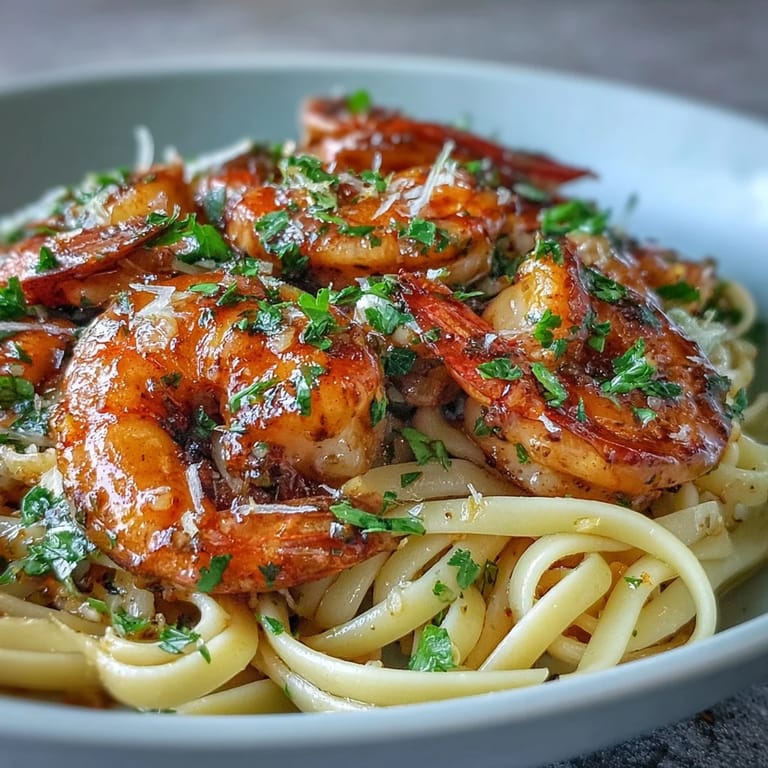
 My neighbor knocked on the door one evening holding a brown paper bag of fresh shrimp, back from the coast that afternoon. I had linguine in the pantry and garlic always on hand, so I pulled together this scampi without overthinking it. The sauce came together so fast I almost didn't believe it would taste like anything special, but that first bite, bright with lemon and wine, made me wish I'd cooked more. Now it's my go-to when I want something that feels elegant but doesn't ask for much time or fuss.
I made this for my sister's birthday once, plating it with extra lemon wedges and torn parsley on top. She said it reminded her of a little trattoria we stumbled into years ago on a rainy night in Boston. I hadn't been aiming for nostalgia, just dinner, but that's what good food does. It pulls you somewhere else without warning.
Ingredients
- Large shrimp, peeled and deveined: Pat them completely dry before cooking or they'll steam instead of getting that golden sear you want.
- Linguine: The flat shape holds onto the sauce better than spaghetti, but honestly either works if that's what you have.
- Unsalted butter: Using unsalted lets you control the seasoning, and it makes the sauce glossy and rich without feeling heavy.
- Extra-virgin olive oil: Blending it with butter keeps the fat from burning and adds a fruity depth to the base.
- Garlic, finely minced: Fresh is essential here, don't even think about the jarred stuff, it won't bloom the same way in hot oil.
- Red pepper flakes: Just a pinch adds warmth without making it spicy, but skip it if you're cooking for anyone sensitive.
- Lemon zest and juice: The zest brings aromatic oil and the juice cuts through the butter with bright acidity.
- Fresh parsley, chopped: It's not just a garnish, it adds a grassy freshness that balances all that richness.
- Dry white wine: Use something you'd actually drink, nothing labeled cooking wine, it makes a difference in the sauce.
- Salt and black pepper: Season as you go, tasting the sauce before you toss the pasta in.
Tired of Takeout? 🥡
Get 10 meals you can make faster than delivery arrives. Seriously.
One email. No spam. Unsubscribe anytime.
Instructions
- Boil the pasta:
- Bring a large pot of well-salted water to a rolling boil and cook the linguine until it still has a slight bite, al dente. Before draining, scoop out half a cup of that starchy pasta water, it's your secret weapon for a silky sauce later.
- Prep the shrimp:
- Use paper towels to pat the shrimp completely dry, then season them lightly with salt and pepper. Dry shrimp sear instead of steaming, giving you better flavor and texture.
- Start the aromatics:
- Melt half the butter with most of the olive oil in a large skillet over medium heat, then add the garlic and red pepper flakes. Let them sizzle for about a minute until the kitchen smells amazing, but pull them off before they brown and turn bitter.
- Sear the shrimp:
- Lay the shrimp in a single layer and let them cook undisturbed for a minute or two per side until they turn pink and opaque. Transfer them to a plate so they don't overcook while you build the sauce.
- Deglaze with wine and lemon:
- Pour in the white wine and lemon juice, scraping up any browned bits stuck to the pan. Let it simmer and reduce for a few minutes, concentrating the flavors and cooking off the raw alcohol.
- Finish the sauce:
- Stir in the remaining butter and olive oil until everything melts together into a glossy, cohesive sauce. This is where the magic happens, fat and acid finding balance.
- Reunite shrimp and sauce:
- Slide the shrimp back into the skillet along with any juices from the plate, then toss in the lemon zest and half the parsley. Coat everything evenly so each shrimp glistens.
- Toss with pasta:
- Add the drained linguine and toss well, adding splashes of reserved pasta water until the sauce clings to every strand. Taste and adjust the salt and pepper now, while you can still fix it.
- Plate and serve:
- Divide among plates immediately, topping with the remaining parsley and a lemon wedge on the side. This dish doesn't wait well, so get it to the table while it's hot.
 Save to Pinterest
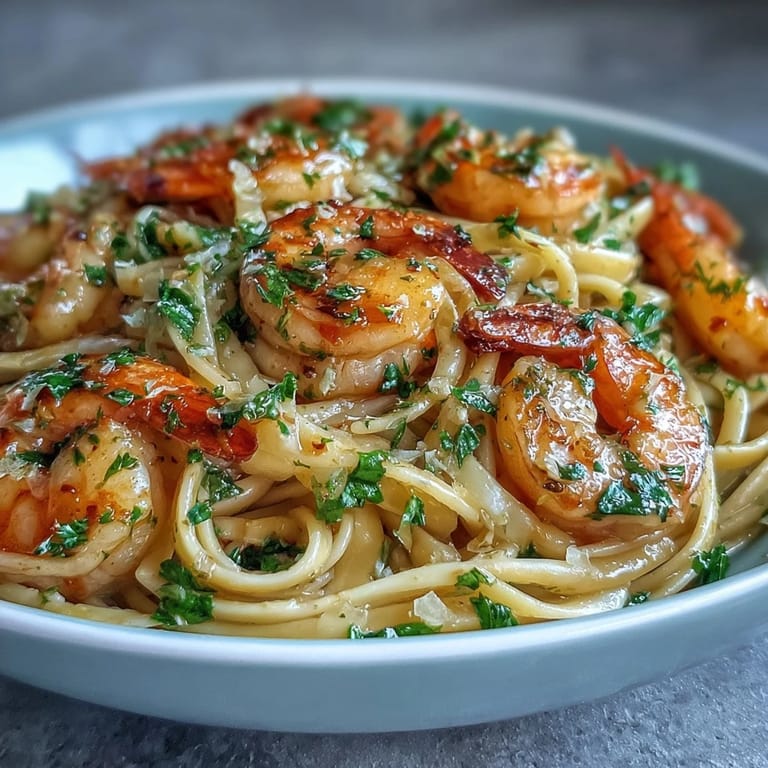
 The first time I served this to friends, I plated it in shallow bowls with a little extra lemon zest grated over the top at the last second. One of them said it tasted like vacation, which made me laugh because I'd just thrown it together on a Tuesday. But that's the thing about shrimp scampi, it has a way of making ordinary nights feel a little bit special.
How to Pick the Best Shrimp
Look for shrimp that smell like clean ocean, not fishy or ammonia-like. If you're buying frozen, that's often fresher than so-called fresh shrimp that's been thawed at the counter for who knows how long. I keep a bag of peeled and deveined shrimp in my freezer and thaw them under cold running water when I need them, which takes maybe ten minutes.
Wine Substitutions That Work
If you don't have white wine or don't want to open a bottle, use a few tablespoons of dry vermouth, which keeps forever in the fridge. You can also use chicken or vegetable broth with an extra squeeze of lemon juice, though you'll lose some of that winey complexity. I've done both in a pinch and the dish still tastes good, just a little different.
Storing and Reheating Leftovers
Scampi is best fresh, but if you have leftovers, store them in an airtight container in the fridge for up to two days. Reheat gently in a skillet over low heat with a splash of water or broth to loosen the sauce, stirring often so the shrimp don't turn tough.
- Add a little extra butter or olive oil when reheating to bring back the silky texture.
- Toss in fresh parsley and a squeeze of lemon right before serving to wake up the flavors.
- If the pasta absorbed too much sauce, a spoonful of pasta water or broth will help it come back to life.
 Save to Pinterest
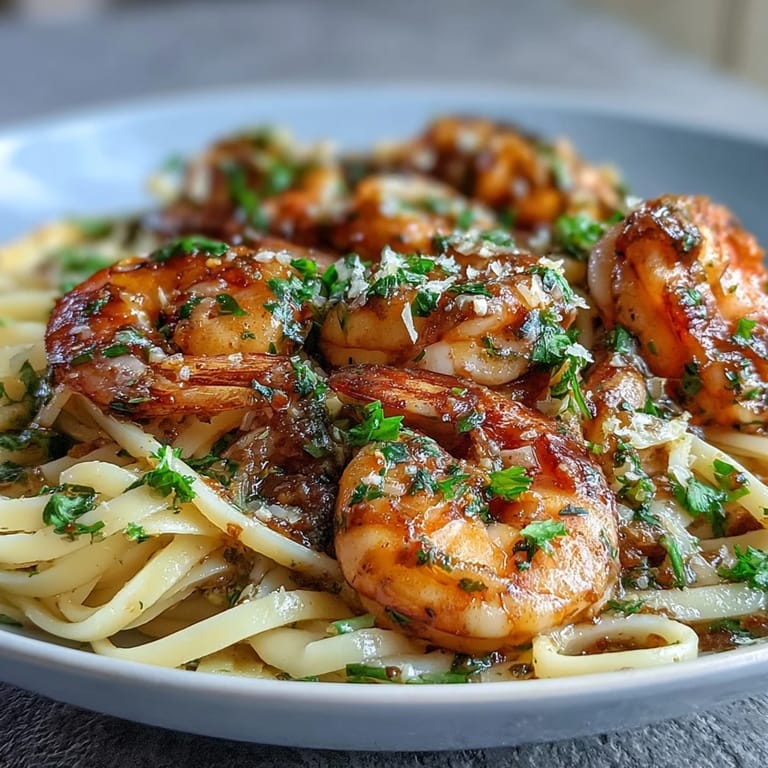
 This dish doesn't ask for much, just good ingredients and a little attention while you cook. It's the kind of recipe that makes you look like you tried harder than you did, and that's a wonderful thing to have in your back pocket.
Recipe FAQs
- → Can I use frozen shrimp for this dish?
Yes, frozen shrimp work perfectly. Thaw them completely in the refrigerator overnight or under cold running water, then pat thoroughly dry before cooking to ensure proper browning.
- → What type of white wine should I use?
Choose a dry white wine you'd enjoy drinking, such as Pinot Grigio, Sauvignon Blanc, or unoaked Chardonnay. Avoid sweet wines as they'll alter the flavor balance.
- → How do I prevent the garlic from burning?
Keep the heat at medium and sauté the garlic for just about 1 minute until fragrant. Add the shrimp promptly to prevent over-browning, which creates bitterness.
- → Can I make this ahead of time?
This dish is best served immediately for optimal texture. However, you can prep ingredients in advance—peel shrimp, mince garlic, and chop parsley—then cook just before serving.
- → Why reserve pasta water?
Pasta water contains starch that helps the sauce cling beautifully to the noodles, creating a silky, cohesive coating. Add it gradually to achieve your desired consistency.
- → What can I serve alongside this dish?
A simple green salad with vinaigrette, crusty garlic bread, or roasted asparagus complement the richness perfectly. A crisp white wine ties everything together.