 Save to Pinterest
 There's something almost meditative about watching hojicha tea leaves unfurl in steaming milk, the kitchen filling with that distinctive roasted, slightly smoky aroma that makes you pause and breathe it in. I discovered this mousse on an ordinary Tuesday afternoon when I was searching for something light but sophisticated, and stumbled upon a Japanese pastry chef's quiet approach to dessert. What struck me wasn't complexity but elegance—just a handful of ingredients transformed into something that tastes like air and earth at the same time.
I made this for my friend Maya who had mentioned offhand that she was tired of chocolate desserts, and watching her take that first spoonful—the way her expression softened—reminded me why these quiet, understated flavors matter. She came back to the kitchen asking what it was, and when I explained it was just tea and eggs and patience, she laughed and said it tasted like something she'd been missing without knowing it.
Ingredients
- Hojicha tea leaves: These roasted green tea leaves are the soul of the dessert, bringing a toasty, almost coffee-like depth that's completely different from regular matcha; don't skip the step of steeping them properly or you'll lose that essential warmth.
- Whole milk: The fat carries the hojicha flavor beautifully and creates a richer infusion than water ever could.
- Eggs, separated: The yolks create a silky custard base while the whites whipped into peaks become the cloud that makes this mousse feel weightless.
- Granulated sugar: Split between the yolk mixture and the egg whites, it sweetens without overwhelming the delicate tea flavor.
- Cornstarch: Just a tablespoon stabilizes the yolk mixture so it doesn't scramble when you add the hot milk.
- Vanilla extract: A whisper of vanilla bridges the gap between the earthiness of hojicha and the airiness of the mousse.
- Powdered gelatin: This is what gives the mousse its set without being rubbery; it's crucial for holding the whipped texture.
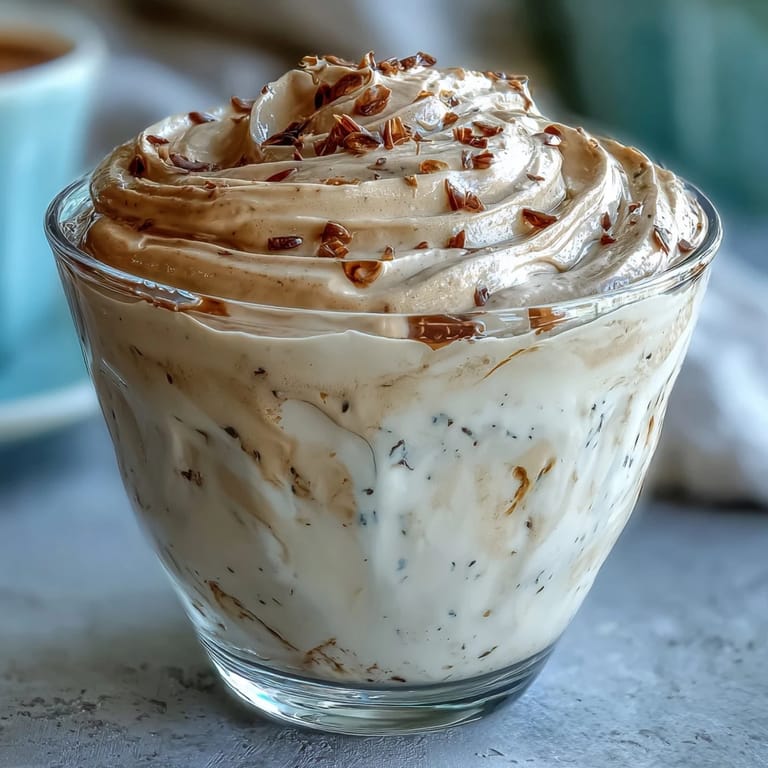
- Toasted hojicha tea leaves or cocoa nibs: A finishing touch that adds texture and a visual reminder of what makes this dessert special.
Tired of Takeout? 🥡
Get 10 meals you can make faster than delivery arrives. Seriously.
One email. No spam. Unsubscribe anytime.
Instructions
- Steep the hojicha into silky milk:
- Heat the milk until it's just starting to steam (you'll see small bubbles at the edges), then add the hojicha leaves and let them sit, covered, for a full 10 minutes. This patience is what transforms simple milk into something aromatic and complex. Strain it carefully through a fine mesh so no leaf particles slip through.
- Bloom the gelatin quietly:
- Sprinkle the gelatin over cold water and let it sit undisturbed for 5 minutes—it will absorb the water and become spongy and ready to dissolve. This step prevents lumps from forming later.
- Build a silky custard base:
- Whisk the egg yolks with half the sugar and cornstarch until the mixture is pale and thick, then slowly drizzle in the warm hojicha milk while whisking constantly. This gradual approach prevents the eggs from scrambling into little bits.
- Cook the custard until it coats:
- Place your bowl over simmering water and whisk for 3 to 5 minutes until the mixture thickens enough to leave a trail on the back of a spoon. You'll feel it change under your whisk—that's when you know it's ready.
- Dissolve the gelatin into warmth:
- Add the bloomed gelatin to the hot custard and stir until there's not a speck of graininess, then add the vanilla. Let it cool to room temperature, stirring occasionally so it cools evenly.
- Whip the egg whites into clouds:
- In a completely clean bowl, beat the whites until they form soft peaks, then gradually add the remaining sugar while beating until the peaks turn glossy and stiff. The cleanliness of the bowl matters—any trace of yolk will prevent the whites from reaching full volume.
- Fold with intention and gentleness:
- Add the whipped whites to the cooled hojicha mixture in three additions, folding with a rubber spatula rather than stirring, so those airy bubbles stay intact. Each fold should be slow and deliberate.
- Settle into the glasses:
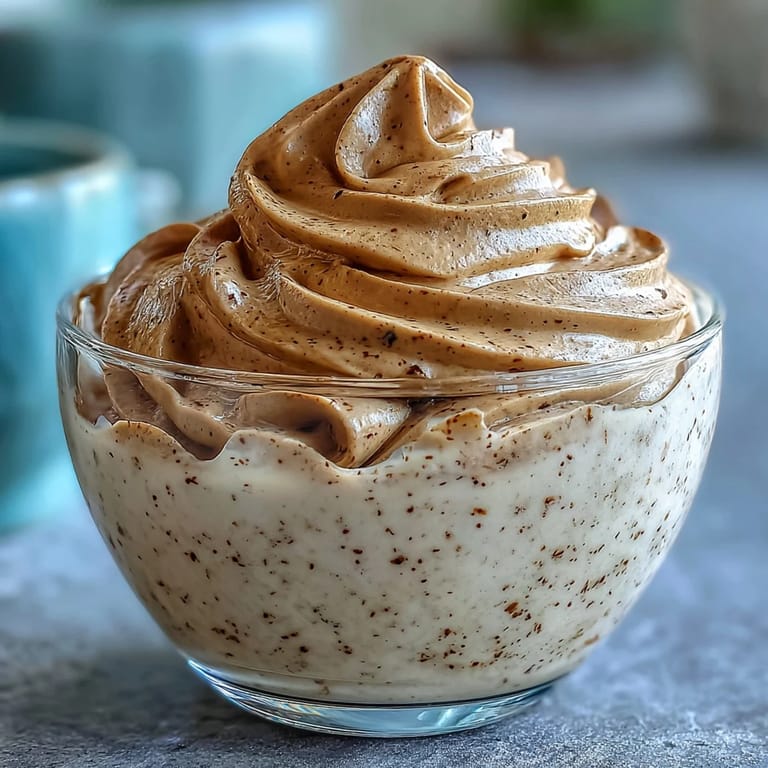
- Spoon the mousse into serving glasses or ramekins and refrigerate for at least 2 hours. The mousse will continue to set as it chills, becoming silkier and more delicate.
- Top just before serving:
- A light sprinkle of toasted hojicha tea leaves or cocoa nibs adds texture and a final hint of the flavor you built the whole dessert around.
 Save to Pinterest
 There was a moment during the chilling time when I opened the fridge just to peek at what was happening, and the mousse was already beginning to set, becoming something between liquid and solid, suspended in time. That's when this dessert shifted from being just a recipe to being something almost magical.
Why Hojicha Changes Everything
Hojicha is what happens when someone takes green tea and decides to roast it until it becomes something completely different—deeper, warmer, less vegetal. In a mousse, this means you're not fighting against bitterness the way you might with matcha; instead, you get a gentle, almost woodsy note that plays beautifully with sweetness. The first time I tasted this, I understood why Japanese pastry chefs have been quietly crafting with hojicha for generations.
The Science of Air and Texture
What makes a mousse mousse is the marriage of two things: the structure from a custard base and the lift from whipped egg whites. The gelatin acts like a safety net, holding that airy structure together through chilling without making it stiff or dense. It's a technique that feels old-fashioned in the best way, relying on simple chemistry rather than shortcuts.
Making This Your Own
Once you understand the structure, you can play with it—try a darker or lighter roast of hojicha depending on your mood, or substitute the milk with oat or almond milk if you prefer. Some of my experiments have been quiet successes, others taught me why certain pairings matter. The beauty of this dessert is that it's forgiving enough to let you explore.
- If you're nervous about separating eggs, do it over a small bowl first, then transfer the white to your mixing bowl so one broken yolk doesn't spoil the whole batch.
- Make sure your equipment is completely dry and free of any oil or yolk before whipping the whites, or they'll refuse to reach full volume.
- This mousse is best eaten within a day of chilling, when the texture is at its most delicate and the flavor is still bright.
 Save to Pinterest
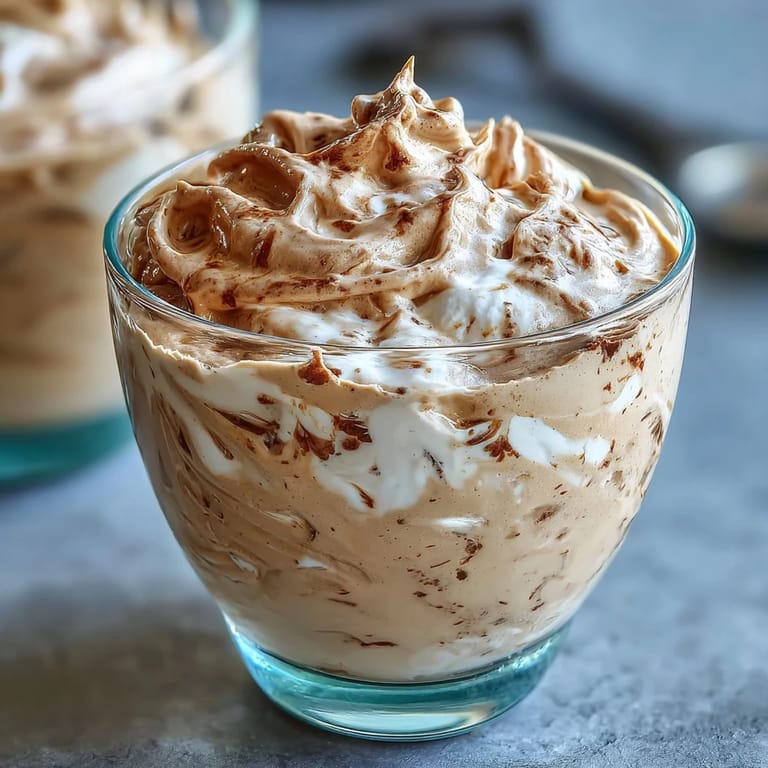
 This mousse is the kind of dessert that reminds you why simplicity, when done with care, can be more memorable than anything complicated. Make it when you want to feel like you've offered someone something quietly extraordinary.
Recipe FAQs
- → What makes hojicha different from other Japanese teas?
Hojicha is roasted green tea, giving it a distinctively deep, nutty flavor with lower caffeine content compared to matcha or sencha. The roasting process reduces bitterness and creates caramel notes that pair beautifully with creamy desserts.
- → Can I make this mousse ahead of time?
Absolutely. This mousse sets beautifully and can be prepared up to 24 hours in advance. Keep refrigerated until serving, and add garnishes like toasted tea leaves or cocoa nibs just before presenting for optimal texture and appearance.
- → What if I don't have gelatin?
While gelatin provides the best set, you can substitute with agar-agar powder using half the amount. Note that the texture will be slightly firmer and less creamy. For a completely different approach, you could make a parfait by layering the hojicha custard with whipped coconut cream.
- → Is this mousse suitable for special dietary needs?
This dessert is naturally gluten-free and vegetarian. For a dairy-free version, simply replace whole milk with oat, almond, or coconut milk. The texture remains excellent, though the flavor profile will shift slightly depending on your milk choice.
- → How do I achieve the perfect mousse texture?
The key is folding the whipped egg whites gently but thoroughly. Use a rubber spatula and incorporate the whites in three additions, cutting through the center and scooping up from the bottom. This preserves the air bubbles while ensuring even distribution for that signature airy consistency.
- → What garnishes work best with hojicha mousse?
Toasted hojicha leaves add beautiful crunch and intensify the tea flavor. Cocoa nibs provide a bitter contrast that balances the sweetness. Fresh berries like raspberries or blackberries offer bright acidity, while a dusting of matcha powder creates an attractive visual contrast.