 Save to Pinterest
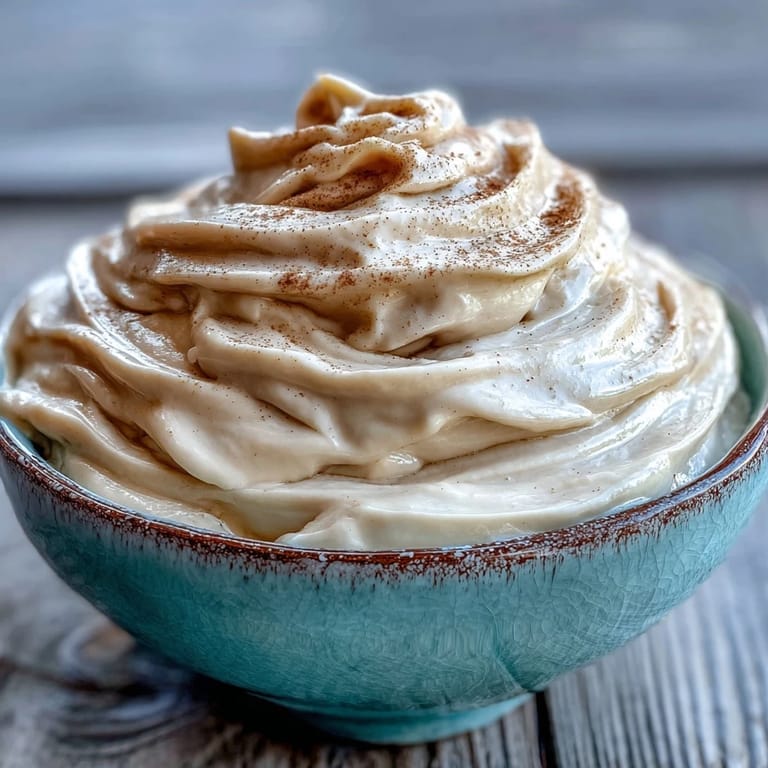
 There's something about hojicha that stopped me cold the first time I tasted it properly—not as a beverage but as a whisper in cream. A pastry chef friend handed me an éclair one afternoon, and the filling had this toasted, almost caramel-like depth I couldn't name. She laughed when I asked what was in it, then taught me that roasted tea could transform a simple crème pâtissière into something sophisticated without trying too hard. Now whenever I make this, that moment comes back—the smell of hojicha steeping in warm milk, the way it settles into something golden and mysterious.
I made this for a dinner party once and piped it into choux pastry shells while my partner made tea. Someone asked what made these cream puffs taste different, and I realized I'd never really explained hojicha to anyone before—how it's green tea leaves tumbled in a hot pan until they turn bronze and smell like toasted nuts. Watching people's faces light up when they bit into one, that combination of familiar and foreign, made me understand why this filling matters so much.
Ingredients
- Whole milk (2 cups): Use fresh, cold milk from the back of your fridge, and avoid ultra-pasteurized if you can—it'll heat more gently and carry the hojicha flavor better.
- Hojicha loose leaf tea or tea bags (3 tablespoons or 3 bags): This is non-negotiable; it's what makes everything different, so choose a quality brand if possible—the toasted aroma should be obvious when you open the package.
- Unsalted butter (3 tablespoons): Good butter makes a difference here because it's adding body and richness at the very end, so don't skip it or use margarine.
- Large egg yolks (4): Room temperature yolks incorporate more smoothly, so pull them out about 20 minutes before you start if you remember.
- Granulated sugar (1/2 cup): This sweetens and also helps the yolks become pale and fluffy when whisked, which means better texture later.
- Cornstarch (3 tablespoons): This is your thickener and it matters—it prevents the cream from breaking and gives you that silky mouthfeel.
- Vanilla extract (1/2 teaspoon): A small amount that just rounds out the flavor without competing with the hojicha.
- Salt (a pinch): Tiny but essential for making the hojicha flavor pop.
Tired of Takeout? 🥡
Get 10 meals you can make faster than delivery arrives. Seriously.
One email. No spam. Unsubscribe anytime.
Instructions
- Steep the hojicha milk:
- Heat your milk slowly over medium heat until you see wisps of steam rising—you want it hot but not aggressively boiling. Add the hojicha tea, turn off the heat, cover the pan, and let it sit for 10 minutes while the kitchen fills with that incredible roasted aroma.
- Strain without waste:
- Pour the milk through a fine mesh sieve into a bowl, using the back of a spoon to gently press the tea leaves so every bit of flavor transfers. Discard the spent leaves.
- Build your custard base:
- In a separate bowl, whisk together the egg yolks, sugar, cornstarch, and salt until the mixture is thick, pale, and falls from the whisk in ribbons—this usually takes 2–3 minutes of actual effort.
- Temper the eggs carefully:
- Slowly pour the warm hojicha milk into the yolk mixture while whisking constantly, never stopping or you'll scramble the edges. This gradual heating is what keeps your cream silky instead of lumpy.
- Cook until it thickens:
- Pour everything back into your saucepan and cook over medium heat, whisking without pause, until the mixture bubbles gently and coats the back of a spoon—you'll feel it go from pourable to creamy in about 2–3 minutes.
- Add butter and vanilla:
- Remove from heat and whisk in the butter and vanilla extract until completely smooth and glossy. The butter should melt immediately.
- Prevent the skin:
- Transfer to a clean bowl and press plastic wrap directly onto the surface of the cream—this stops oxidation and keeps the texture perfect.
- Chill thoroughly:
- Refrigerate for at least 1 hour, though 2 hours is better if you're not in a rush. The cream will firm up and become easier to work with.
- Whisk before using:
- Just before filling your pastries, give the cream a brief whisk to smooth it out and make it pipeable again.
 Save to Pinterest
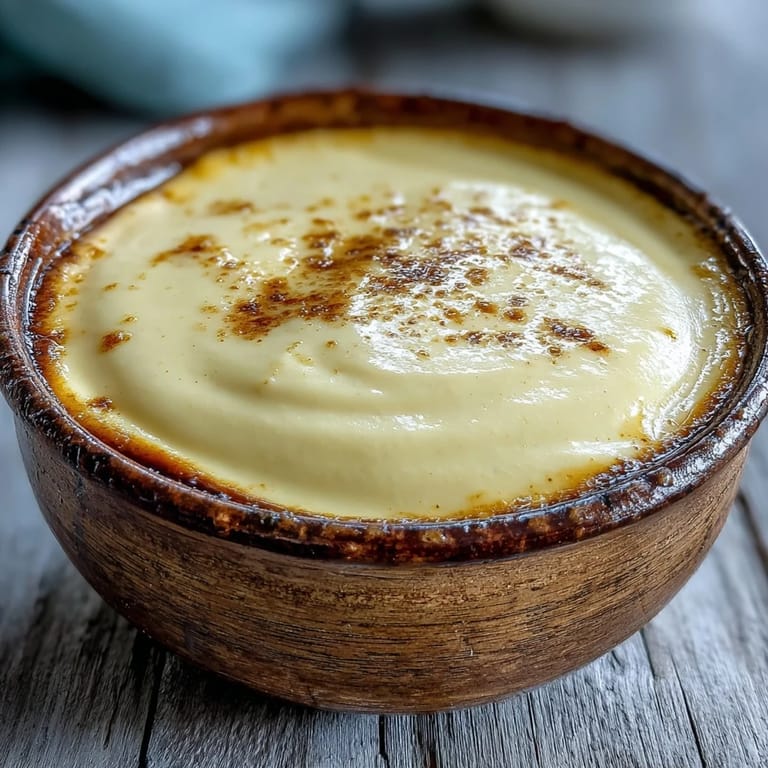
 Years ago, I made this filling for an anniversary dessert and my partner took one bite and just went quiet. Not in a bad way—in that way where food suddenly means something more than taste. We sat in the kitchen eating warm cream puffs while the hojicha-filled air still hung around us, and they said it tasted like someone had learned to bake just for them.
Using Hojicha Powder as a Shortcut
If you can't find loose leaf hojicha or don't want to deal with steeping, hojicha powder works beautifully and cuts your time in half. Use 2 teaspoons of powder whisked directly into the warm milk instead of steeping—it dissolves quickly and gives the same roasted flavor without any fuss. I've done it both ways and honestly, the powder version is faster and just as good, so there's no shame in taking that route when you're tired or in a hurry.
Making It Lighter and Airier
Once your pastry cream is fully chilled, you can fold in whipped cream to make a mousse-like filling that's less heavy and more cloud-like. Whip about 1 cup of heavy cream to soft peaks, then gently fold it into your hojicha cream until no white streaks remain—this doubles your filling amount and makes it feel luxurious without being overwhelming. I use this version for layered cakes or when I know the filling will sit for a while, because whipped cream keeps things from feeling dense.
Pairing Ideas and Storage
This filling loves choux pastry more than almost anything else, but it's equally stunning between cake layers or as a filling for macarons if you're feeling ambitious. Store it covered in the refrigerator for up to 3 days, and if you need to make it ahead, you can freeze it for a month—just thaw overnight in the fridge and whisk to combine before using.
- Pair with matcha choux pastry for a tea-on-tea moment that somehow works perfectly.
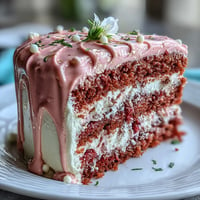
- Layer it into vanilla or almond cakes instead of traditional cream for an unexpected twist.
- Use within a few hours of piping if possible, because it stays freshest right after assembly.
 Save to Pinterest
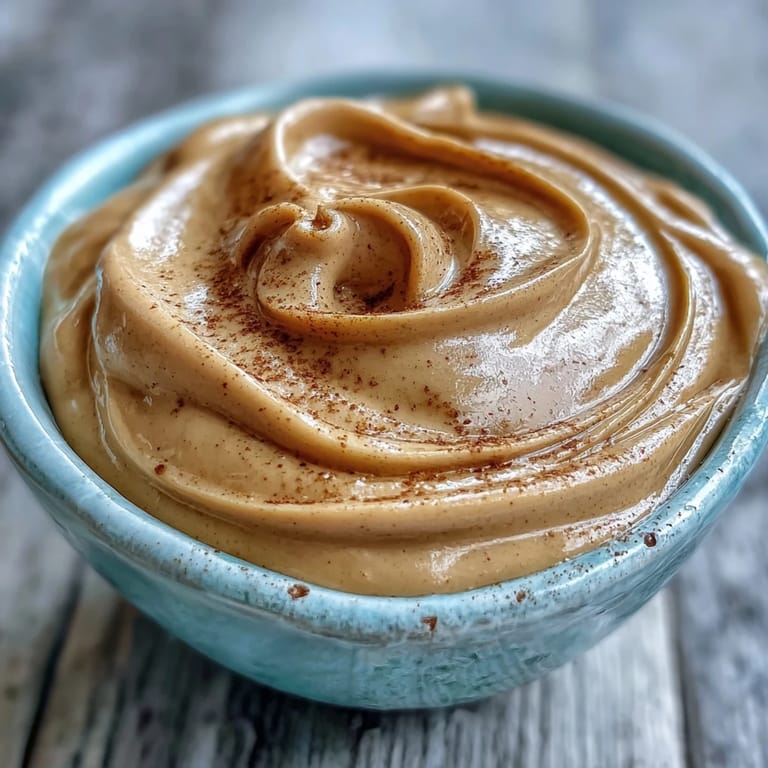
 Hojicha pastry cream is proof that sometimes the most elegant dessert fillings come from listening to someone else's enthusiasm and then making it your own. Once you've tasted it, you'll understand why.
Recipe FAQs
- → What does hojicha taste like in pastry cream?
Hojicha imparts a distinctive roasted, nutty flavor with subtle smoky undertones. The tea's natural toasty notes complement the rich dairy base without being overpowering, creating a balanced sweetness that's more complex than vanilla alone.
- → Can I make this ahead of time?
Absolutely. This pastry cream actually benefits from resting time. Once chilled with plastic wrap pressed directly on the surface, it keeps well in the refrigerator for up to 3 days. Whisk briefly before using to restore smoothness.
- → What's the difference between using loose leaf versus tea bags?
Loose leaf hojicha typically yields more robust flavor since the leaves have more surface area to infuse. Tea bags work conveniently but may require slightly longer steeping. If using powder, whisk it directly into the milk and strain before combining with eggs.
- → Why must I press plastic wrap onto the surface?
This technique prevents a skin from forming as the cream cools. Without direct contact with the surface, moisture evaporates and creates a dry, rubbery layer. Pressing wrap directly against the cream maintains that silky, smooth texture throughout.
- → Can I freeze hojicha pastry cream?
Freezing isn't recommended as the texture can become grainy and separate upon thawing. The custard's emulsion breaks down in freezing temperatures. For best results, store in the refrigerator and use within three days.
- → What desserts work best with this filling?
This cream shines in classic choux pastry like cream puffs and éclairs. It also layers beautifully in cakes, fills tart shells elegantly, or can be folded into whipped cream for a lighter mousse-like texture. Pair with matcha-flavored elements for a stunning Japanese-French fusion presentation.