 Save to Pinterest
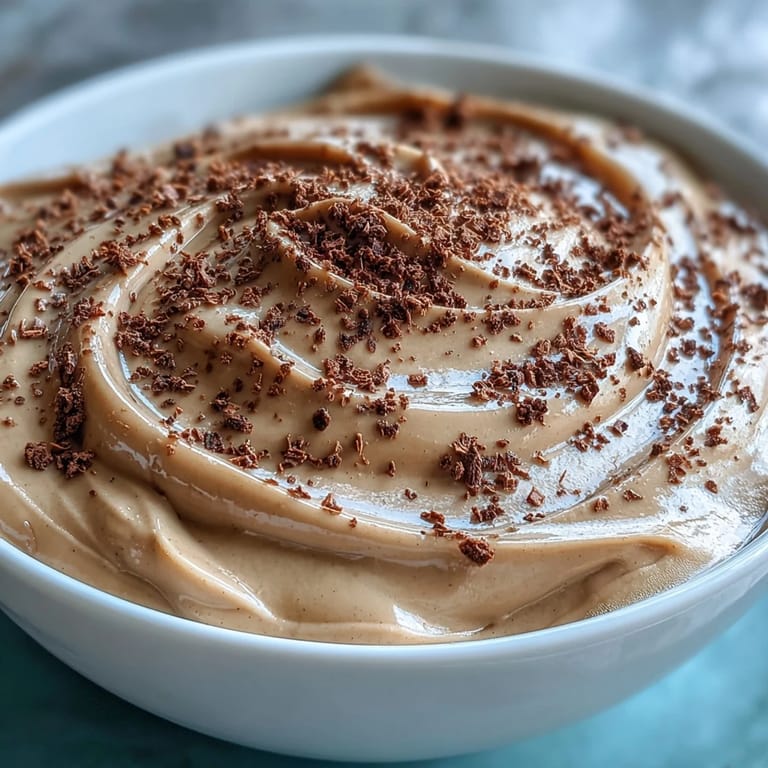
 I discovered hojicha pudding on a quiet afternoon at a small tea shop in Tokyo, where the owner served it in a delicate glass without fanfare, just a knowing smile. The first spoonful was revelatory—that toasted, almost nutty warmth melting into pure silk on my tongue, nothing like the heavy puddings I'd grown up with. I spent the next week chasing that exact sensation in my own kitchen, testing temperatures and steeping times until I finally captured it. What struck me most wasn't the complexity, but how something so refined could come together in under thirty minutes of actual work.
Years later, I made this for a dinner party on a rainy November evening when everyone arrived exhausted and skeptical about dessert. Watching their faces shift from polite to genuinely surprised as they tasted it—that moment reminded me why simple, well-executed food matters. One guest asked if I'd been hiding a pastry chef side all along, and I just smiled, knowing the truth was far less glamorous: patience with temperature and a willingness to let tea leaves do the talking.
Ingredients
- Whole milk: Use the freshest you can find; it becomes the foundation of your custard's texture and flavor.
- Heavy cream: This is what separates silky from ordinary—never skip it or substitute it halfway through.
- Hojicha loose leaf tea: Seek out high-quality leaves if possible; cheaper tea leaves can taste dusty and flat.
- Granulated sugar: Measure carefully here; too much masks the tea's delicate character.
- Large eggs: Room temperature eggs whisk more smoothly and incorporate air better.
- Vanilla extract: A small touch that bridges hojicha's earthiness with warmth.
Tired of Takeout? 🥡
Get 10 meals you can make faster than delivery arrives. Seriously.
One email. No spam. Unsubscribe anytime.
Instructions
- Heat your dairy gently:
- Pour milk and cream into your saucepan and watch it carefully over medium heat—you're looking for tiny bubbles forming around the edges, never a rolling boil. This gradual heating coaxes out the cream's richness without damaging the milk's delicate proteins.
- Steep the tea with intention:
- Once you've removed the pan from heat, add your hojicha and let it rest for 5 to 7 minutes, no longer. You'll see the liquid deepen to a warm amber—that's your signal it's ready to strain through a fine mesh.
- Whisk eggs and sugar into submission:
- In a separate bowl, combine eggs and sugar and whisk them until pale and ribbony, about 2 minutes. This aerating step makes the final pudding impossibly smooth.
- Temper carefully:
- This is the moment people worry about, but it's simple: pour the warm hojicha milk into the egg mixture in a thin, steady stream while whisking constantly. Never stop whisking, never rush.
- Add vanilla and strain again:
- Stir in vanilla extract, then pour the entire mixture through a fine sieve one more time to catch any tiny bits of cooked egg. This extra step is what transforms good pudding into silky pudding.
- Cook until it coats:
- Return to low heat and stir continuously with a spatula, watching as the custard gradually thickens. You'll know it's ready when a line drawn across the back of the spoon stays clear—usually 5 to 7 minutes.
- Pour and cool with patience:
- Transfer into serving glasses or ramekins and let sit at room temperature for 30 minutes before refrigerating. This gradual cooling prevents a skin from forming on top.
- Chill fully before serving:
- Two hours minimum in the cold creates that set-but-spoonable texture; overnight is even better for flavor development.
 Save to Pinterest
 There's something almost meditative about making this pudding, the way the kitchen fills with that toasted tea aroma and everything slows down. My daughter once asked why I spent so much time on something we'd eat in five minutes, and I realized I couldn't explain it without sounding sentimental—but this dessert taught me that the cooking itself was the real nourishment.
The Magic of Hojicha
Hojicha is green tea roasted at high temperatures, which transforms it into something entirely different from its raw counterpart. The roasting process mellows the vegetal edge and introduces warm, almost coffee-like notes that feel surprisingly comforting in a dessert context. I used to think I didn't like tea-based desserts until I understood that hojicha operates by its own rules—it whispers instead of shouts.
Temperature is Everything
The most important lesson I learned came from a failed batch where I got impatient and cranked the heat too high. The custard broke, eggs scattered like confetti, and I had to start over, deflated and cautious. That second attempt, made slowly with genuine attention, taught me that low heat and constant movement aren't inconveniences—they're the entire point.
Serving and Variations
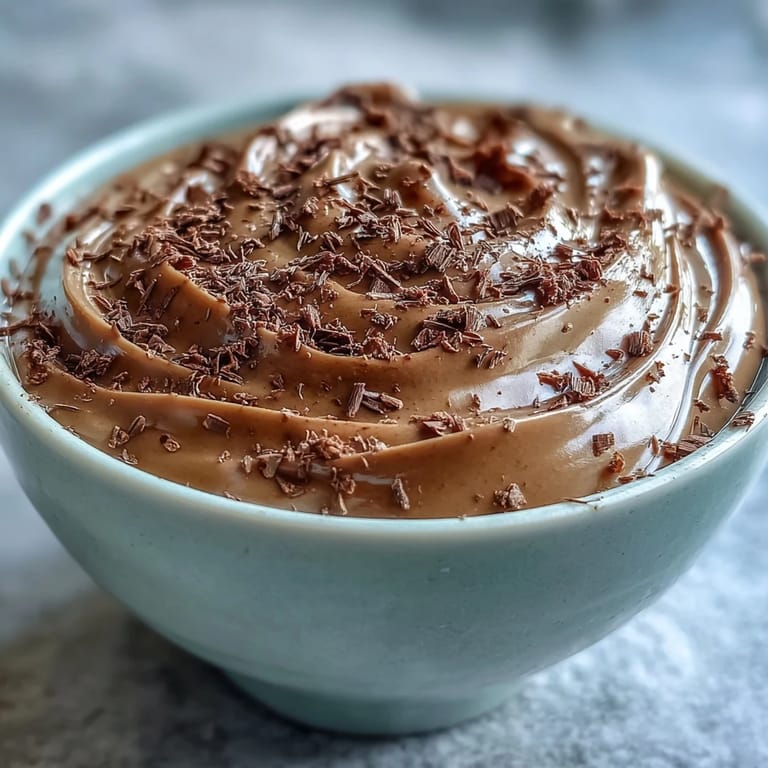
This pudding stands alone perfectly, but it welcomes gentle additions without demanding them. A small dollop of barely sweetened whipped cream, a scatter of roasted hojicha leaves, or a drizzle of honey each tells a different story.
- For a vegan version, swap whole milk and cream for unsweetened coconut milk and cashew cream, then use 2 tablespoons of cornstarch whisked into the liquid before cooking.
- Hojicha powder can replace loose leaf tea—use 2 teaspoons and whisk it directly into the warm milk for a subtly different but equally lovely result.
- Fresh berries or a light honey drizzle can accompany this without overshadowing the hojicha's quiet elegance.
 Save to Pinterest
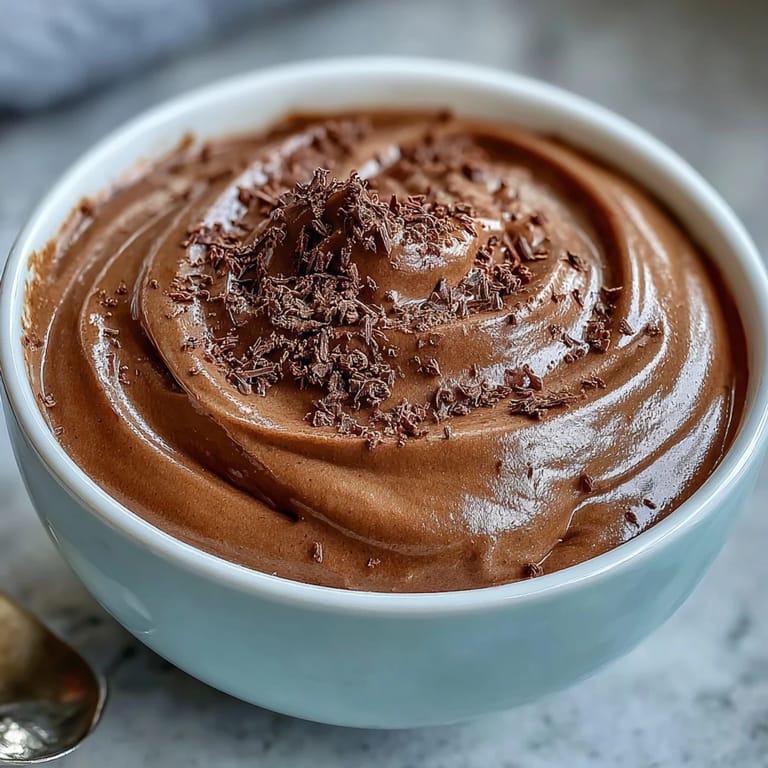
 This pudding is a quiet reminder that elegance doesn't require complexity, only care and a willingness to respect your ingredients. Make it once and you'll understand why I keep returning to it.
Recipe FAQs
- → What makes hojicha different from regular green tea?
Hojicha is roasted green tea that undergoes high-heat processing, giving it a deep reddish-brown color and distinctive toasty, nutty flavor profile. Unlike steamed green teas that taste grassy and vegetal, hojicha offers earthy notes with lower caffeine content, making it ideal for desserts.
- → Can I prepare this custard in advance?
Absolutely. This custard actually benefits from resting in the refrigerator for at least 2 hours, though it can be made up to 24 hours ahead. The flavors continue to develop during chilling, and the texture becomes even more velvety. Just cover your serving dishes with plastic wrap to prevent a skin from forming.
- → What can I use if I don't have hojicha tea?
While hojicha provides the unique roasted flavor, you can substitute with other teas. Matcha will create a vibrant green version with more grassy notes. Earl Grey offers bergamot citrus undertones. Chai lends warming spices. For a non-tea alternative, try infusing the milk with vanilla bean or cinnamon sticks.
- → Why did my custard turn grainy or curdle?
Grainy texture usually occurs from overheating or adding hot liquid too quickly to eggs. Always temper your eggs by pouring the warm milk slowly while whisking vigorously. When cooking the custard, keep the heat low and stir constantly—if you see bubbles forming, remove it from heat immediately as boiling causes curdling.
- → Is there a way to make this without eggs?
Yes. Replace the two eggs with 2 tablespoons of cornstarch whisked into the sugar before adding the warm milk mixture. Cook over medium heat, stirring constantly, until thickened. The texture will be slightly different—more pudding-like—but still creamy and delicious. Coconut milk works particularly well for dairy-free versions.
- → What garnishes complement this dessert best?
Light toppings work best to avoid overpowering the subtle tea flavor. A dollop of lightly sweetened whipped cream adds richness. Fresh berries like raspberries or blackberries provide tart contrast. A sprinkle of extra hojicha powder reinforces the tea notes. For textural contrast, consider crushed butter cookies or a drizzle of warm honey.