 Save to Pinterest
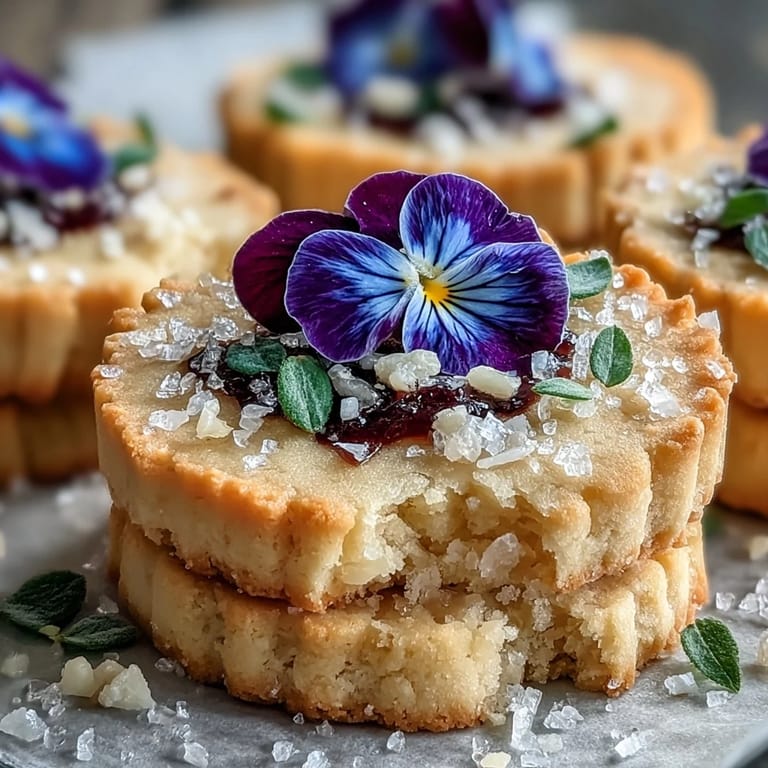
 The morning light beamed into my kitchen as I dusted off a baking tray, windows cracked just enough to let in the scents of a late April breeze and the distant sound of birds. I'd been gathering edible flowers for a few days, eyeing the violets edging my garden, curious to see if their color would survive a spin in the oven. The first time I baked these floral shortbread cookies, I half expected the petals to disappear—burnt or dulled by the heat—but instead they emerged bright and dainty, little works of art. That moment felt less like baking and more like a gentle experiment in edible beauty. Sometimes, it's the tiny discoveries that sweeten the whole process.
I remember prepping these for a friend’s sunny spring potluck—me, dusted with flour, and my friend choosing which flower went on each cookie with impeccable indecision. We ended up laughing because our 'perfect' arrangement quickly gave way to a joyful mess of pansies and violets, each cookie unique as we chatted about childhood games in gardens. The cookies didn’t last more than an hour on the dessert table. There was something charming about the way hands reached for them before even asking what they were. Everyone seemed to want the most colorful one, and I secretly took home the plainest, slightly broken, because it was mine.
Ingredients
- Unsalted butter: Room temperature butter is the soul of melt-in-your-mouth shortbread—let it sit out an hour beforehand for a smoother mix.
- Granulated sugar: Regular white sugar blends easily for a just-sweet touch, and a quick taste taught me superfine sugar brings a lighter crumb if you want to swap.
- All-purpose flour: Measure carefully and sift for delicate cookies; I once scooped too much and ended up with dry, crumbly rounds.
- Fine sea salt: Just a touch sharpens the buttery flavor, and I learned not to skip this after a bland first batch.
- Pure vanilla extract: Go for real vanilla—once I tried imitation and everything tasted flat.
- Edible flowers: Only use flowers you can absolutely trust—pansies, violets, and rose petals work best for color and gentle fragrance.
- Egg white (optional): Brushing the tops with egg white acts as edible glue and makes the flowers glisten; I found it especially helpful with lighter petals.
- Superfine sugar (optional): A soft sprinkle adds shimmer and delightful crunch, though the cookies are plenty wonderful without.
Tired of Takeout? 🥡
Get 10 meals you can make faster than delivery arrives. Seriously.
One email. No spam. Unsubscribe anytime.
Instructions
- Cream the Butter and Sugar:
- Cue up your favorite song and beat the butter and sugar together until pale and fluffy—listen for the switch from gritty to smooth under your beaters.
- Add Vanilla:
- Pour in the vanilla and let it perfume the mixture briefly; it should swirl in quickly and make the dough smell like a cozy bakery.
- Mix in Flour and Salt:
- Gently sift in the flour and salt, then blend on low just until everything looks pale and sandy—overmixing turns the dough tough.
- Chill the Dough:
- Gather and flatten the dough on parchment, wrap it snug, and let it rest in the fridge; this makes the cookies easier to cut and keeps their shape when baked.
- Preheat and Prep Sheets:
- Turn the oven to 350°F and line your baking sheets, enjoying the anticipation as the kitchen fills with warmth.
- Roll and Cut:
- Roll dough on a floured counter to a quarter inch, feeling for that perfect, even thickness; cookie cutters make for neat rounds but even mismatched shapes bake beautifully.
- Add Flowers:
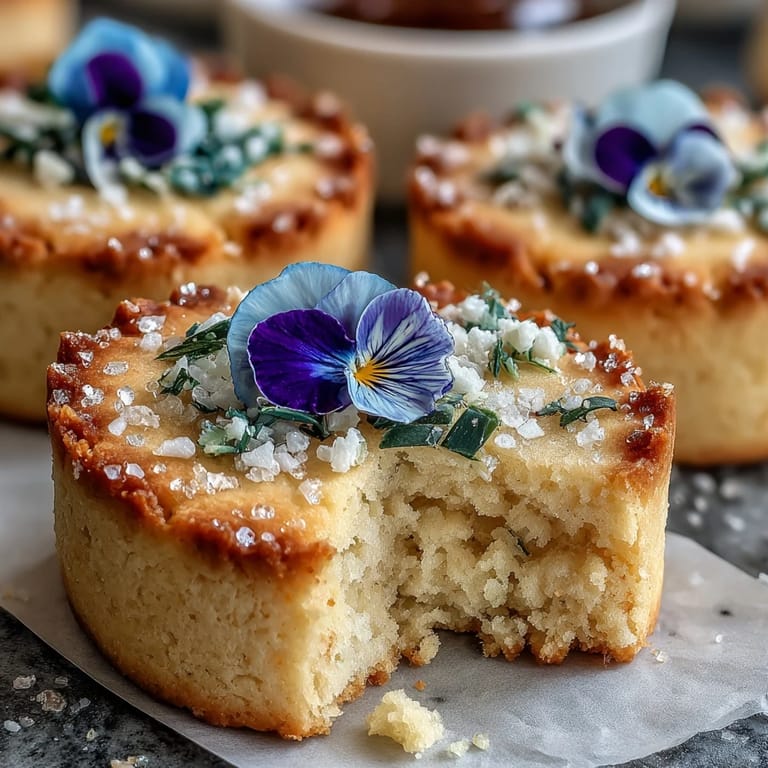
- Ever so gently, press a flower into each cookie—if you like, brush the tops with egg white for stick and shine, then add a sprinkle of superfine sugar.
- Bake:
- Pop the trays in for 12–15 minutes, watching for just-gold edges—don’t wait for deep color or they’ll dry out quickly.
- Cool:
- Let them rest on the tray five minutes to firm, then move to a rack; that first buttery aroma when you check underneath is your cue that they’re done.
 Save to Pinterest
  Save to Pinterest
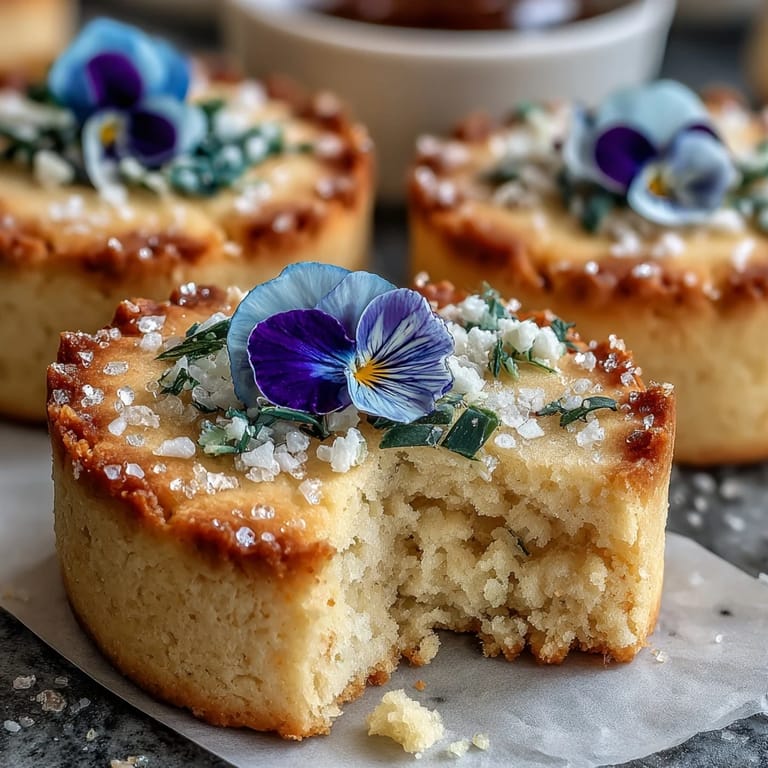
 During a quiet tea with my grandmother, I watched her marvel at the tiny pressed pansies nestled atop her cookie, face lighting up as she reminisced about garden parties she’d attended years ago. It was in that brief pause over cookies and tea that I realized the power of pretty little things to bring joy—no grand event needed.
All About Edible Flowers
The first time I tried using edible flowers, I worried their colors might fade or leave the cookies tasting like perfume. Instead, they added only the subtlest hint of floral aroma, and every baked cookie looked like it belonged on a spring picnic blanket. Sometimes the petals curl or darken in the oven, but each batch feels a bit like opening a box of pressed treasures.
Ways to Make Them Your Own
I've started to play around with citrus zest in the dough or swapping vanilla for almond extract for a change. Even just picking different flower varieties—rose petals for a romantic touch, calendula for gold—changes the look with almost no extra effort. Every batch feels like a new experiment in edible art, and it’s surprisingly freeing to break from tradition.
Serving and Storing Tips
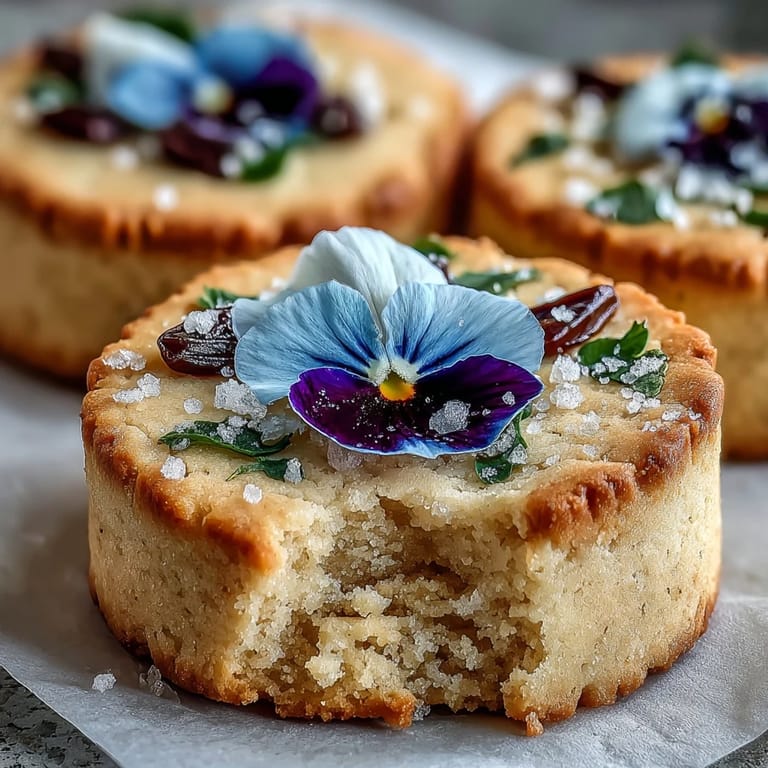
After plenty of trial and error, I can promise these cookies stay freshest in an airtight tin lined with parchment paper. If you pack them too tight, the flowers can stick or smudge, so a bit of space keeps things tidy.
- Let cookies cool completely before storing to preserve crispness.
- Serve with chilled herbal tea for a fragrant pairing.
- Check the cookies after a couple of days and re-line the container if needed to keep them at their best.
 Save to Pinterest
  Save to Pinterest
 These floral shortbread cookies manage to turn even the simplest gathering into something quietly special. May your kitchen fill with tiny bursts of color and the buttery scent of new memories ready to bloom.
Recipe FAQs
- → Which flowers are safe to use?
Only use flowers that are explicitly labeled edible and grown without pesticides. Common safe options include violets, pansies, calendula petals, and certain rose varieties—always verify the source.
- → How do I make flowers stick without altering texture?
Lightly brush the cookie tops with a thin layer of beaten egg white, then gently press the flower onto the dough. For a no-egg option, use a touch of simple syrup or very thin honey to adhere petals.
- → Why chill the dough before rolling?
Chilling firms the butter and relaxes the gluten, making the dough easier to roll and helping cookies keep a tender, crumbly shortbread texture without spreading too much.
- → Can I add citrus zest to the dough?
Yes—finely grated lemon or orange zest folded into the dough brightens the buttery base. Use about 1–2 teaspoons total so the texture remains delicate.
- → How do I avoid overmixing?
Mix just until the dough comes together after adding flour. Overmixing develops gluten and yields tougher cookies; stop as soon as no dry streaks remain and the dough holds its shape.
- → What’s the best way to store or freeze these?
Store cooled cookies in an airtight container at room temperature for up to 5 days. For longer storage, freeze unadorned cookies in a single layer, then stack with parchment between layers; add flowers after thawing.